Building a national industrial brand's first influencer program from zero: ten creator partners, freight-class machine logistics, and the attribution behind it.

8.7M
Creator following
6.7x
Blended ROAS
$603K
Attributed revenue
+38%
Engagement lift
Grizzly Industrial is a national supplier of woodworking, metalworking, and machining equipment, headquartered in Bellingham, Washington. The machines were never the problem. Reach was: how does a decades-old catalog brand earn the trust of a generation of makers who live on Instagram, YouTube, and TikTok?
I built the program that answered that, from nothing: creator strategy, direct relationships with talent and their agents, the logistics of getting freight-class machines into creators' shops, the scripts, the design and imagery support, and the dashboards that proved it moved the number.
The gap. Grizzly had a loyal base and a serious catalog, but no voice inside the maker community, the place where a decision on a $2,000 machine actually gets made now: in the comments under a build video, not in a print spread.
The brief I wrote for myself was simple to say and hard to do. Put Grizzly machines in the hands of creators makers already trust, set those creators up so well that the content was actually good, and prove the whole thing worked with real attribution.
Fit over follower count. I had roughly $5,000 a month in a category where a single sponsored video quoted at $10,000. Buying the obvious names was never on the table, which turned out to be the advantage. I cast for creators whose audience already believed them on tools, and whose build style would put a Grizzly machine into real work instead of a product shot.
The partners I onboarded: April Wilkerson (Wilker Do's), John Malecki, Bourbon Moth Woodworking, Voices of Jake, Barousse Works, Woodbrew, Nick's Custom Woodworks, Six Eight Woodworks, Handy Dandy Brandy, and Ashwood and Hawke.
Roughly 8.7 million combined following across the roster: about 4.85M on YouTube, 2.3M on TikTok, and 1.52M on Instagram. Three of them sit above a million subscribers on their own. John Malecki's rate card alone would have taken a year of my budget in two videos.
Daniel Barousse is the argument in miniature. He builds art and furniture out of recycled skateboards, which is not a line item on any tool brand's media plan, and he was one of the best partnerships in the program. Voices of Jake builds original axes in character, as much comedian as craftsman. A follower-count spreadsheet picks neither of them.
The attribution layer. I built per-creator discount codes with Grizzly's IT and product teams, then partnered with third-party agencies to build the reporting in Looker Studio: creator performance per campaign, conversion paths from creator content through to purchase, and return on spend across concurrent programs. Upfluence handled creator authentication, onboarding, and organic performance data.
Reach figures are public subscriber and follower counts verified August 2026. They describe audience size, not impressions delivered during the campaign window, and are not de-duplicated across platforms.
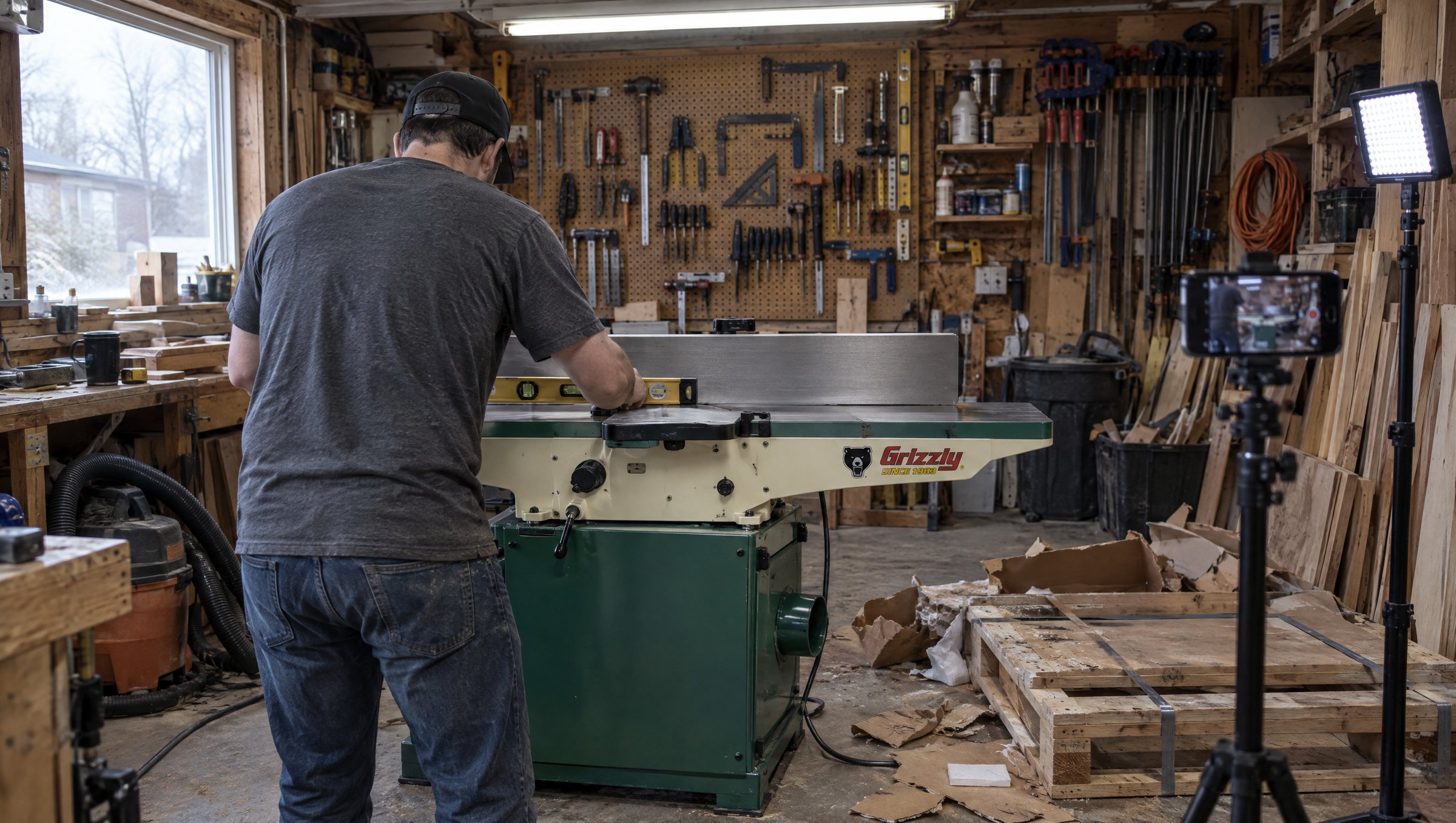
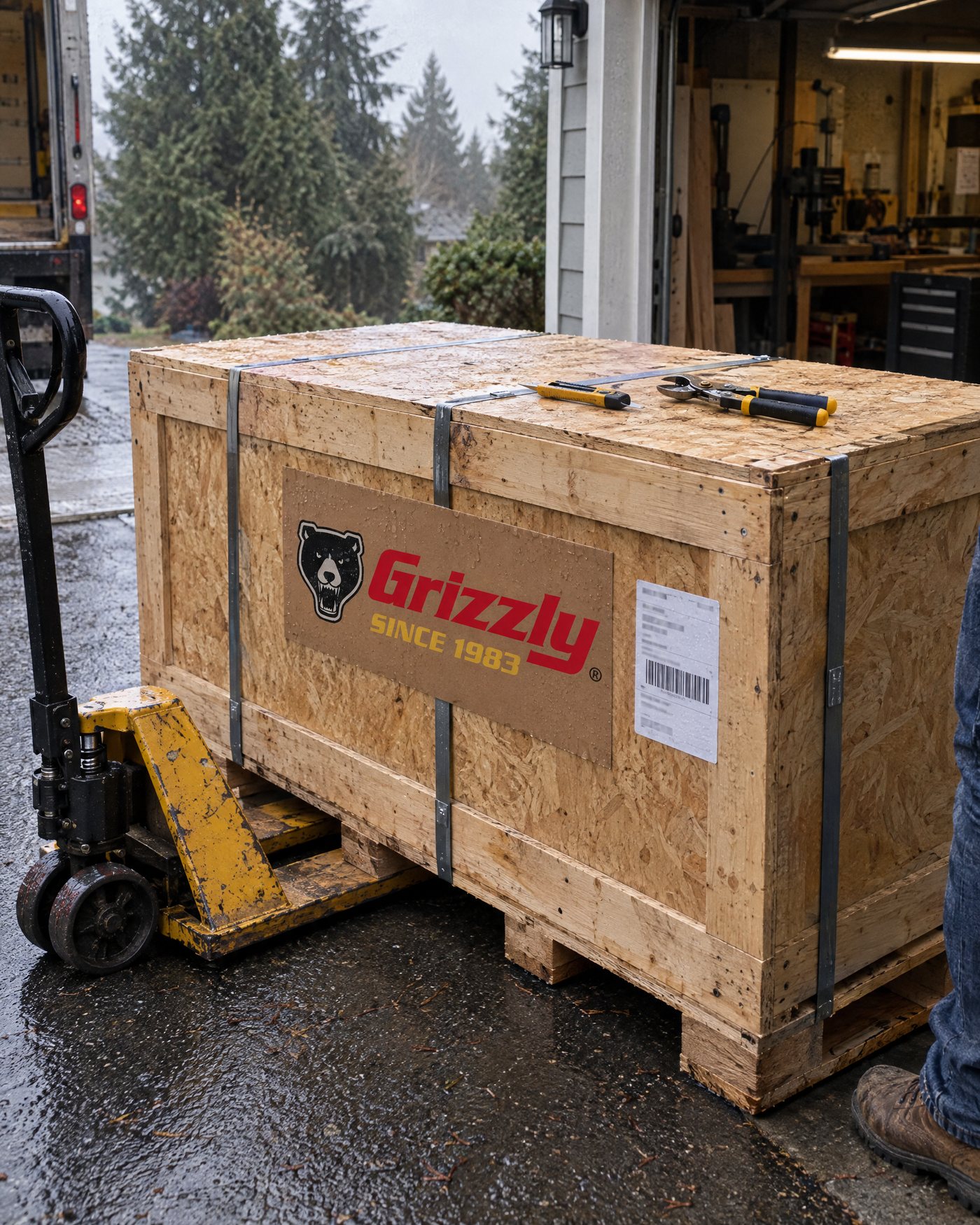
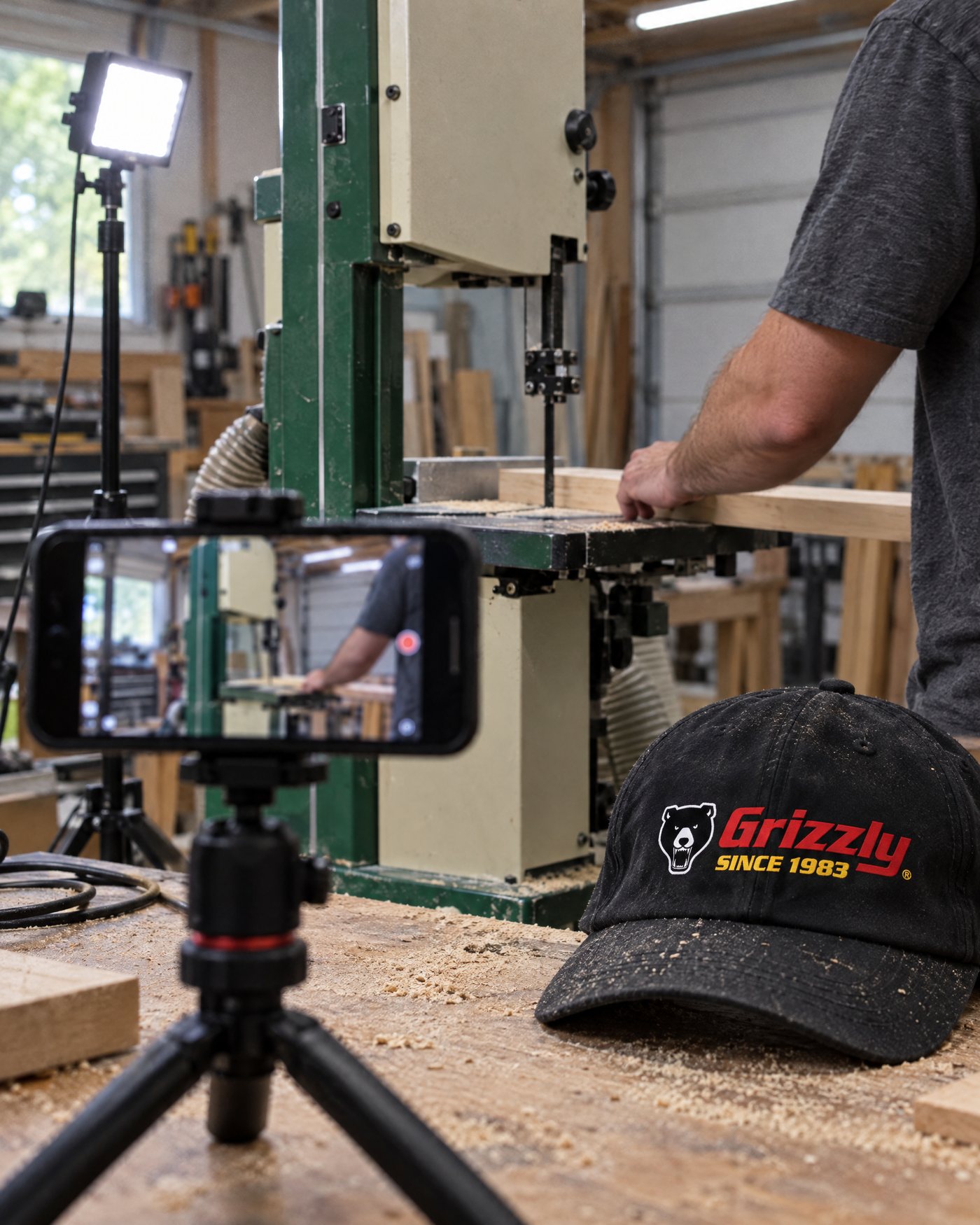
Machines are not swag. Sending a creator a t-shirt is easy. Sending a creator a jointer is a logistics project. I owned physical fulfillment alongside the marketing, coordinating directly with the product and sales departments to spec the right machine for each shop, confirm inventory, and manage delivery of freight-class equipment across the country. A creator standing in an empty shop on launch day never partners with you again. The machines showed up, set up, ready to film.
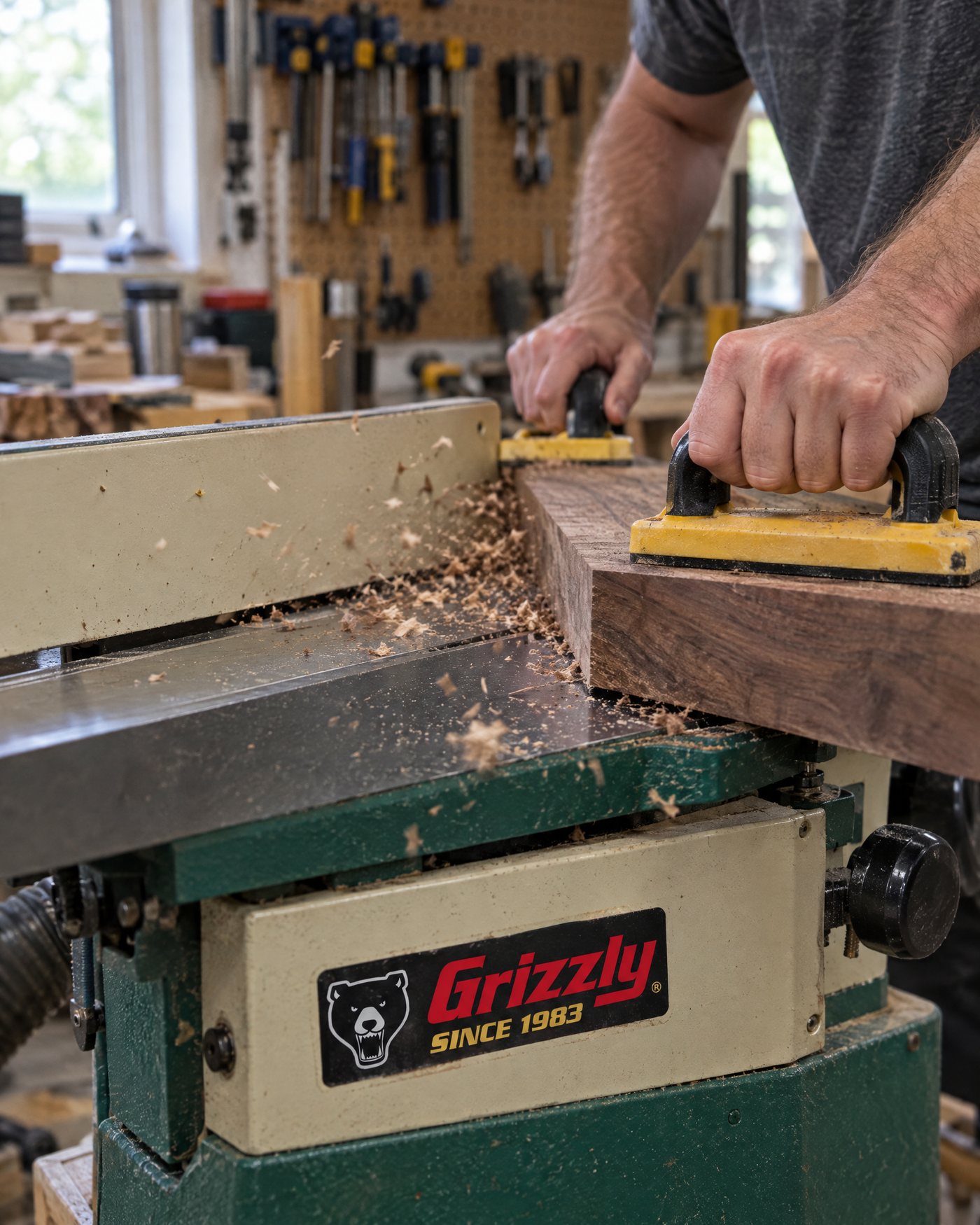
A solo creator has no studio behind them, so I became the studio. I wrote scripts and talking points that carried the product truth without sounding like an ad read, and provided branded graphics, thumbnails, and product assets so a one-person channel could ship content that looked like it had a brand team behind it. The hard part was holding back. I handed them everything they needed and let them sound like themselves.
"Dresdon completely transformed how we approach influencer marketing. His strategy didn't just bring in new voices, it brought in the right voices. We saw immediate lift in engagement, reach, and brand trust."

Brian Jensen
Former Marketing Director, Grizzly Industrial
Ten partners across YouTube, TikTok and Instagram, cast on fit rather than follower count. Every one got the machine delivered to their shop, a welcome kit, and the scripts and graphics to shoot it like a brand team was standing behind them.


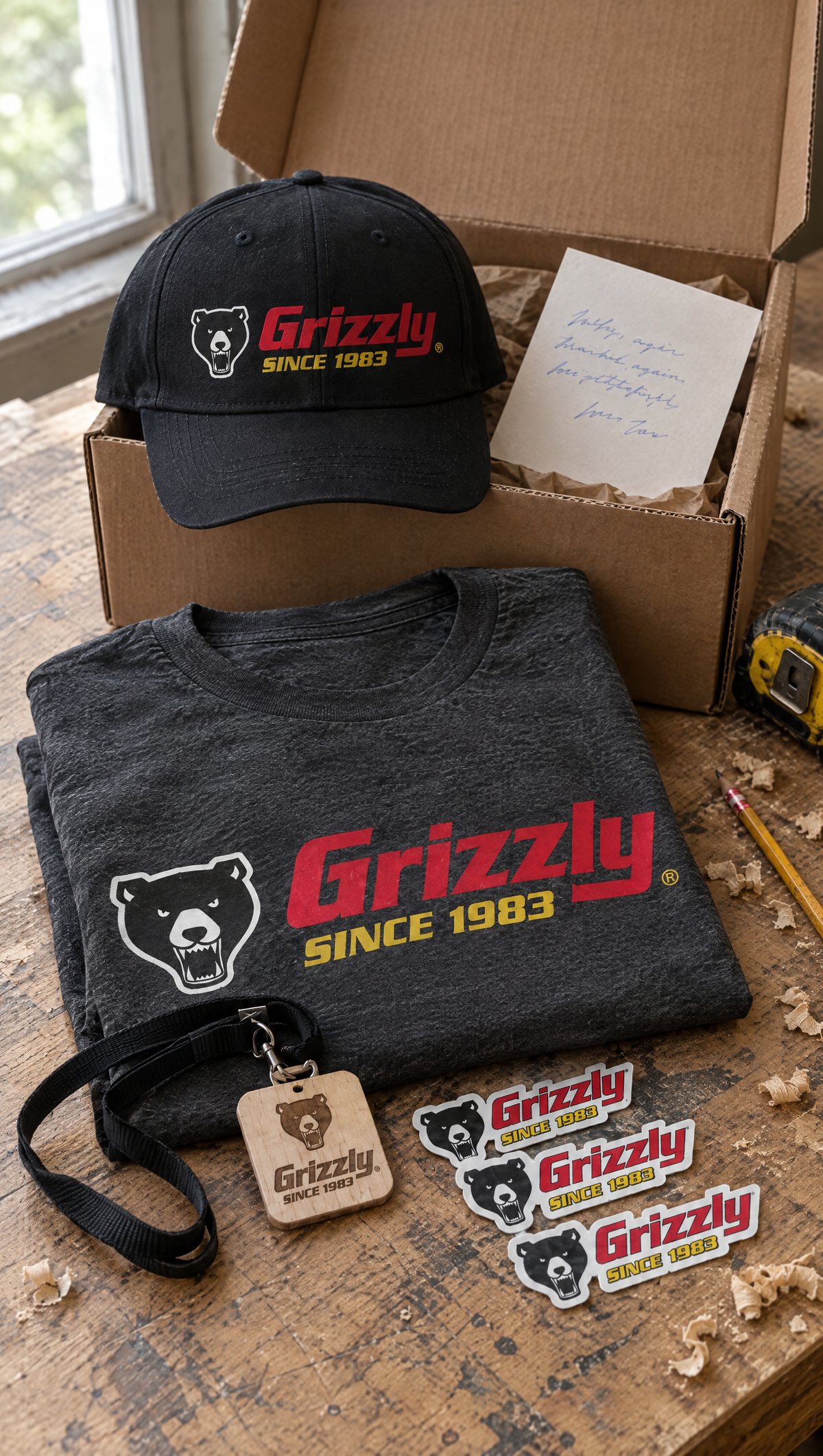
A full welcome kit for every partner: branded packaging, apparel, an embroidered cap, a laser-engraved maker badge, and social templates, so every creator in the program looked like part of the same crew.
Every commercial Grizzly product ships in green and black. I built the influencer kit in the brand's original 1983 red, black, and gold, so official partners' merch stood out from anything on the shelf and stayed distinct from the 40th-anniversary line.
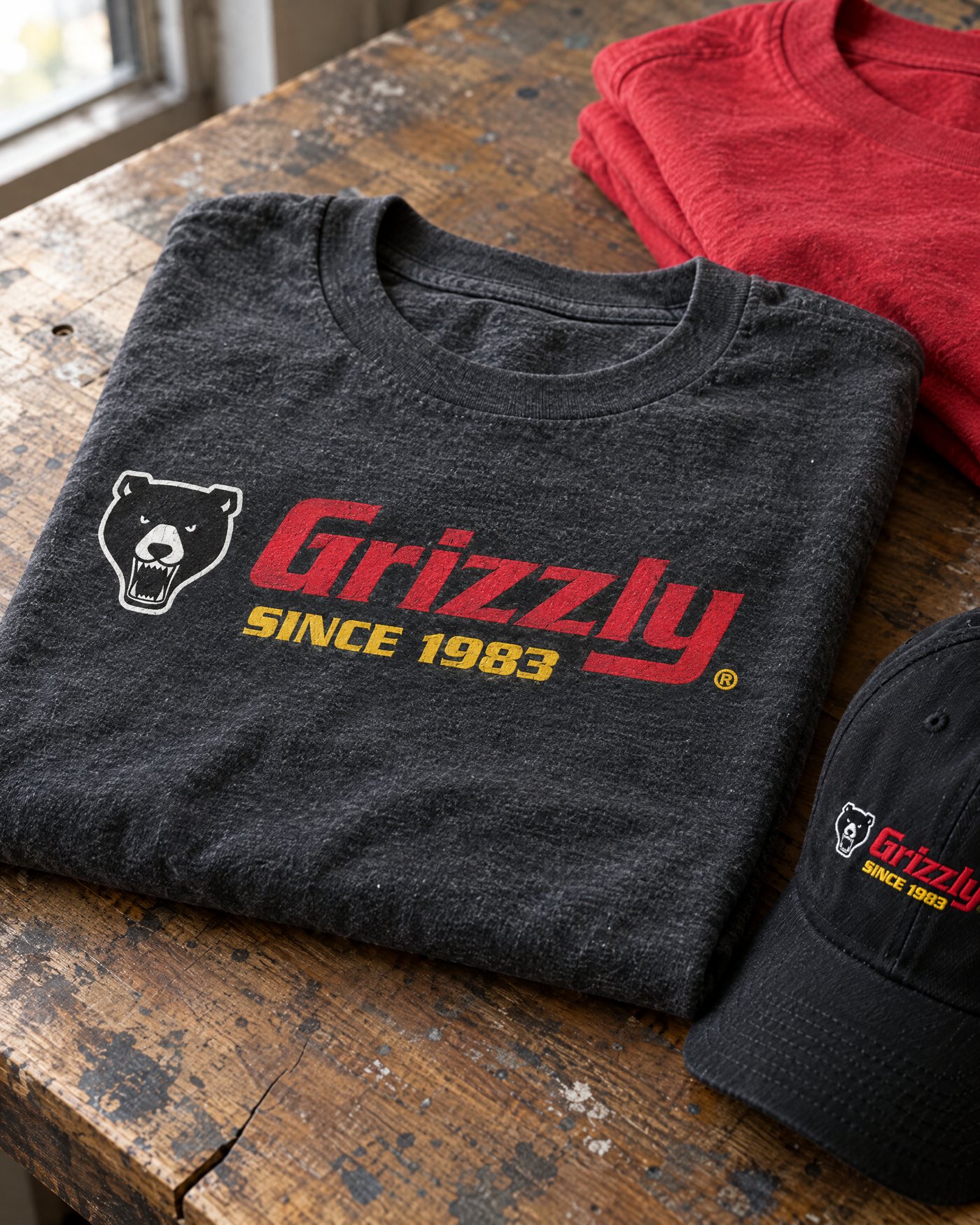
This is the work I'm proudest of, because none of it existed before I got there. Grizzly had the machines and the catalog. What it didn't have was anyone making the case where a $2,000 decision actually happens now: under a build video, in the comments, in the shop of someone makers already trust.
What I learned building it:
Pick for trust, not size. The partnerships that converted weren't the biggest accounts. They were the ones whose audience already believed them on tools. Once I stopped looking at follower counts first, the numbers got better.
The logistics are the marketing. Nobody notices a jointer that shows up on time. Everybody notices one that doesn't. None of the content would exist if the fulfillment side had slipped, which is why I owned both halves.
Less brand, better content. My first instinct was to script every line and put a logo on everything. It worked better when I gave each creator what they needed, let the machine be part of their project, and stayed out of the video.
A color choice can do real work. Putting the kit in the 1983 red, black and gold instead of the standard green made it feel like membership. You couldn't buy it off the shelf, and it never got mixed up with the anniversary line.
Show the number. “The influencer stuff feels like it's working” doesn't survive a quarterly review. A Looker Studio dashboard does. It also told me which partners to double down on and which ones to quietly let go.
If I got the same brief tomorrow, I'd run it the same way.